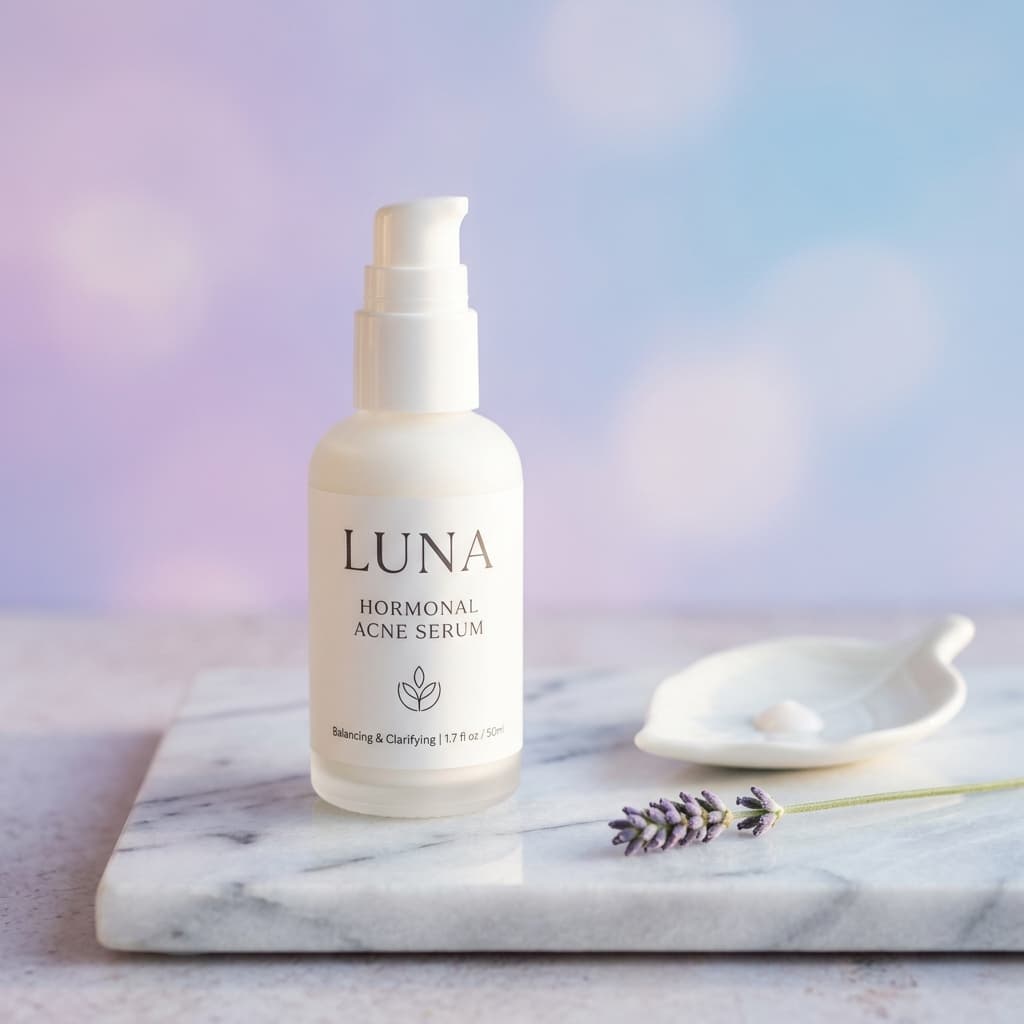
How to Treat Hormonal Acne: A Dermatologist’s Approach
What is Hormonal Acne?
Hormonal acne is tied to fluctuations in your hormones. Although it is commonly associated with puberty, it can affect adults of any age. It is especially common in women due to menstruation, pregnancy, and menopause.
Characteristics of Hormonal Acne
Unlike regular breakouts, hormonal acne often presents as deep, painful cysts or nodules rather than blackheads or whiteheads. These breakouts typically cluster around the lower part of the face, specifically the jawline, chin, and lower cheeks.
Topical vs. Oral Treatments
Treating hormonal acne usually requires a multi-pronged approach. Over-the-counter topical treatments (like salicylic acid or benzoyl peroxide) may help with mild cases but are often ineffective against deep cysts.
Effective Treatments Include:
- Topical Retinoids: Help to unclog pores and promote cell turnover.
- Spironolactone: An oral medication that blocks androgen receptors, significantly reducing hormonal breakouts in women.
- Oral Contraceptives: Can help regulate hormonal fluctuations.
- Professional Extractions & Peels: In-clinic treatments can help manage active breakouts and reduce post-inflammatory hyperpigmentation.
Lifestyle and Diet
While diet isn't the primary cause of hormonal acne, certain dietary choices can exacerbate it. High glycemic index foods and dairy have been linked to increased acne severity in some individuals. Focusing on an anti-inflammatory diet rich in antioxidants can support overall skin health.